Challenges Family Centered Practice Pose on Slp in Different Settings
Scope of Practice
View PDF Version
Advertizing Hoc Committee on the Scope of Exercise in Spoken communication-Language Pathology
About this Document: This telescopic of do document is an official policy of the American Oral communication-Language-Hearing Clan (ASHA) defining the breadth of practice within the profession of speech-language pathology. This document was developed by the ASHA Ad Hoc Committee on the Telescopic of Practice in Speech- Language Pathology. Committee members were Marking DeRuiter (chair), Michael Campbell, Craig Coleman, Charlette Green, Diane Kendall, Judith Montgomery, Bernard Rousseau, Nancy Swigert, Sandra Gillam (board liaison), and Lemmietta McNeilly (ex officio). This document was approved by the ASHA Board of Directors on Feb 4, 2016 (BOD 01-2016). The BOD approved a revision in the prevention of hearing department of the certificate on May ix, 2016 (Motility 07-2016).
Table of Contents
- Introduction
- Statement of Purpose
- Definitions of Speech communication-Language Pathologist and Speech communication-Linguistic communication Pathology
- Framework for Speech-Language Pathology Exercise
- Domains of Speech-Language Pathology Service Delivery
- Speech-Linguistic communication Pathology Service Delivery Areas
- Domains of Professional Practice
- References
- Resources
Introduction
The Scope of Exercise in Spoken communication-Linguistic communication Pathology of the American Oral communication-Language-Hearing Association (ASHA) includes the following: a argument of purpose, definitions of speech-language pathologist and speech-language pathology, a framework for voice communication-linguistic communication pathology do, a clarification of the domains of voice communication-linguistic communication pathology service delivery, delineation of oral communication-language pathology service delivery areas, domains of professional do, references, and resource.
The speech-language pathologist (SLP) is divers every bit the professional who engages in professional practise in the areas of communication and swallowing across the life span. Communication and swallowing are wide terms encompassing many facets of part. Communication includes speech communication production and fluency, language, cognition, voice, resonance, and hearing. Swallowing includes all aspects of swallowing, including related feeding behaviors. Throughout this document, the terms communication and swallowing are used to reflect all areas. This certificate is a guide for SLPs beyond all clinical and educational settings to promote best practice. The term individuals is used throughout the document to refer to students, clients, and patients who are served by the SLP.
Every bit part of the review process for updating the Scope of Exercise in Speech-Language Pathology, the committee revised the previous telescopic of practice certificate to reflect recent advances in knowledge and research in the discipline. 1 of the biggest changes to the document includes the delineation of exercise areas in the context of 8 domains of spoken language-linguistic communication pathology service delivery: collaboration; counseling; prevention and wellness; screening; assessment; treatment; modalities, technology, and instrumentation; and population and systems. In addition, five domains of professional practice are delineated: advocacy and outreach, supervision, education, research and administration/leadership.
Service delivery areas include all aspects of communication and swallowing and related areas that affect communication and swallowing: voice communication production, fluency, linguistic communication, cognition, voice, resonance, feeding, swallowing, and hearing. The do of oral communication-language pathology continually evolves. SLPs play critical roles in health literacy; screening, diagnosis, and treatment of autism spectrum disorder; and use of theInternational Nomenclature of Functioning, Disability and Wellness (ICF; World Health Organisation [WHO], 2014) to develop functional goals and collaborative practice. Every bit applied science and science advance, the areas of cess and intervention related to communication and swallowing disorders grow accordingly. Clinicians should stay current with advances in speech-language pathology practice by regularly reviewing the research literature, consulting the Practice Management section of the ASHA website, including the Exercise Portal, and regularly participating in standing education to supplement advances in the profession and data in the scope of practice.
Statement of Purpose
The purpose of the Scope of Practice in Speech-Language Pathology is to
- delineate areas of professional person practice;
- inform others (e.thousand., health care providers, educators, consumers, payers, regulators, and the full general public) nigh professional roles and responsibilities of qualified providers;
- back up SLPs in the provision of loftier-quality, evidence-based services to individuals with communication, feeding, and/or swallowing concerns;
- support SLPs in the conduct and broadcasting of inquiry; and
- guide the educational preparation and professional person development of SLPs to provide safe and effective services.
The telescopic of practice outlines the latitude of professional services offered within the profession of voice communication-language pathology. Levels of education, experience, skill, and proficiency in each practice expanse identified within this scope will vary amid providers. An SLP typically does not exercise in all areas of clinical service delivery across the life cycle. As the ASHA Code of Ethics specifies, professionals may practice but in areas in which they are competent, based on their education, grooming, and experience.
This telescopic of practise document describes evolving areas of practice. These include interdisciplinary work in both health intendance and educational settings, collaborative service delivery wherever appropriate, and telehealth/telepractice that are effective for the general public.
Speech communication-language pathology is a dynamic profession, and the overlapping of scopes of practice is a reality in apace irresolute health care, teaching, and other environments. Hence, SLPs in various settings work collaboratively with other school or health intendance professionals to make sound decisions for the do good of individuals with communication and swallowing disorders. This interprofessional collaborative practice is defined as "members or students of two or more professions associated with wellness or social care, engaged in learning with, from and about each other" (Craddock, O'Halloran, Borthwick, & McPherson, 2006, p. 237). Similarly, "interprofessional education provides an ability to share skills and knowledge between professions and allows for a better understanding, shared values, and respect for the roles of other healthcare professionals" (Bridges et al., 2011, para. five).
This scope of practice does not supersede existing state licensure laws or bear on the interpretation or implementation of such laws. However, it may serve as a model for the development or modification of licensure laws. Finally, in add-on to this scope of practice certificate, other ASHA professional resources outline practice areas and address problems related to public protection (e.g., A guide to inability rights law and the Practice Portal). The highest standards of integrity and ethical deport are held paramount in this profession.
Definitions of Speech-Language Pathologist and Oral communication-Language Pathology
Speech-language pathologists , as defined by ASHA, are professionals who concord the ASHA Certificate of Clinical Competence in Speech-Language Pathology (CCC-SLP), which requires a master's, doctoral, or other recognized postbaccalaureate caste. ASHA-certified SLPs complete a supervised postgraduate professional experience and pass a national exam as described in the ASHA certification standards, (2014). Demonstration of continued professional development is mandated for the maintenance of the CCC-SLP. SLPs agree other required credentials where applicative (east.one thousand., state licensure, instruction certification, specialty certification).
Each practitioner evaluates his or her own experiences with preservice education, practise, mentorship and supervision, and continuing professional development. Every bit a whole, these experiences define the telescopic of competence for each private. The SLP should engage in only those aspects of the profession that are within her or his professional competence.
SLPs are democratic professionals who are the primary care providers of oral communication-language pathology services. Speech-language pathology services are not prescribed or supervised past another professional. Additional requirements may dictate that oral communication-language pathology services are prescribed and required to meet specific eligibility criteria in certain work settings, or as required past sure payers. SLPs use professional judgment to make up one's mind if boosted requirements are indicated. Individuals with advice and/or swallowing disorders benefit from services that include collaboration past SLPs with other professionals.
The profession of speech-language pathology contains a broad expanse of speech-language pathology practice that includes both speech-language pathology service delivery and professional practice domains. These domains are defined in subsequent sections of this certificate and are represented schematically in Figure one.
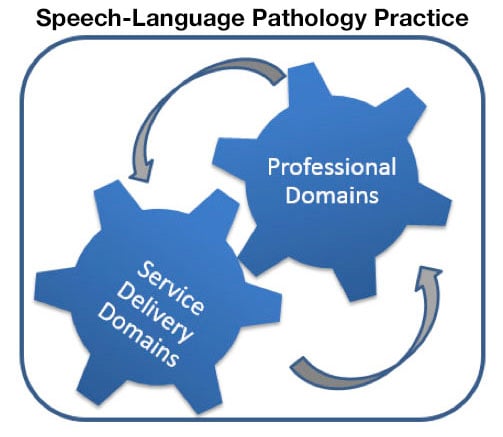
Figure 1. Schematic representation of speech-language pathology practice, including both service delivery and professional domains.
Framework for Spoken language-Language Pathology Exercise
The overall objective of speech-language pathology services is to optimize individuals' abilities to communicate and to consume, thereby improving quality of life. As the population of the United States continues to become increasingly diverse, SLPs are committed to the provision of culturally and linguistically appropriate services and to the consideration of diversity in scientific investigations of human communication and swallowing.
An of import characteristic of the practice of speech-language pathology is that, to the extent possible, decisions are based on all-time available evidence. ASHA defines evidence-based practice in speech-language pathology as an arroyo in which current, high-quality research evidence is integrated with practitioner expertise, along with the client'south values and preferences (ASHA, 2005). A high-quality basic and practical research base in communication sciences and disorders and related disciplines is essential to providing show-based practice and high-quality services. Increased national and international interchange of professional knowledge, data, and didactics in communication sciences and disorders is a means to strengthen inquiry collaboration and better services. ASHA has provided a resource for evidence-based research via the Practice Portal.
The scope of exercise in speech-linguistic communication pathology comprises five domains of professional person practise and eight domains of service delivery.
Professional person practise domains:
- advocacy and outreach
- supervision
- teaching
- administration/leadership
- research
Service commitment domains
- Collaboration
- Counseling
- Prevention and Wellness
- Screening
- Assessment
- Handling
- Modalities, Technology, and Instrumentation
- Population and Systems
SLPs provide services to individuals with a wide variety of speech, linguistic communication, and swallowing differences and disorders within the above-mentioned domains that range in function from completely intact to completely compromised. The diagnostic categories in the speech-language pathology scope of practice are consistent with relevant diagnostic categories under the WHO'southward (2014) ICF , the American Psychiatric Clan'southward (2013) Diagnostic and Statistical Manual of Mental Disorders, the categories of disability under the Individuals with Disabilities Education Act of 2004 (meet also U.S. Department of Didactics, 2004), and those defined by two semiautonomous bodies of ASHA: the Council on Academic Accreditation in Audiology and Speech-Linguistic communication Pathology and the Quango for Clinical Certification in Audiology and Speech-Language Pathology.
The domains of spoken communication-language pathology service commitment complement the ICF, the WHO's multipurpose health nomenclature system (WHO, 2014). The nomenclature system provides a standard language and framework for the clarification of performance and health. The ICF framework is useful in describing the breadth of the role of the SLP in the prevention, assessment, and habilitation/rehabilitation of communication and swallowing disorders and the enhancement and scientific investigation of those functions. The framework consists of ii components: health weather condition and contextual factors.
Wellness Conditions
Body Functions and Structures: These involve the anatomy and physiology of the human trunk. Relevant examples in speech-language pathology include craniofacial anomaly, vocal fold paralysis, cerebral palsy, stuttering, and language harm.
Activeness and Participation: Activity refers to the execution of a task or action. Participation is the involvement in a life situation. Relevant examples in spoken communication-linguistic communication pathology include difficulties with swallowing safely for contained feeding, participating actively in class, understanding a medical prescription, and accessing the full general educational activity curriculum.
Contextual Factors
Environmental Factors: These brand up the physical, social, and attitudinal environments in which people live and conduct their lives. Relevant examples in speech communication-language pathology include the role of the communication partner in augmentative and alternative communication (AAC), the influence of classroom acoustics on communication, and the impact of institutional dining environments on individuals' power to safely maintain nutrition and hydration.
Personal Factors: These are the internal influences on an individual'due south functioning and disability and are not part of the health condition. Personal factors may include, merely are not limited to, age, gender, ethnicity, educational level, social background, and profession. Relevant examples in speech-linguistic communication pathology might include an individual'due south background or culture, if 1 or both influence his or her reaction to communication or swallowing.
The framework in voice communication-language pathology encompasses these health conditions and contextual factors across individuals and populations. Effigy ii illustrates the interaction of the various components of the ICF. The health condition component is expressed on a continuum of functioning. On one end of the continuum is intact performance; at the contrary end of the continuum is completely compromised function. The contextual factors collaborate with each other and with the health weather and may serve as facilitators or barriers to performance. SLPs influence contextual factors through education and advocacy efforts at local, country, and national levels.
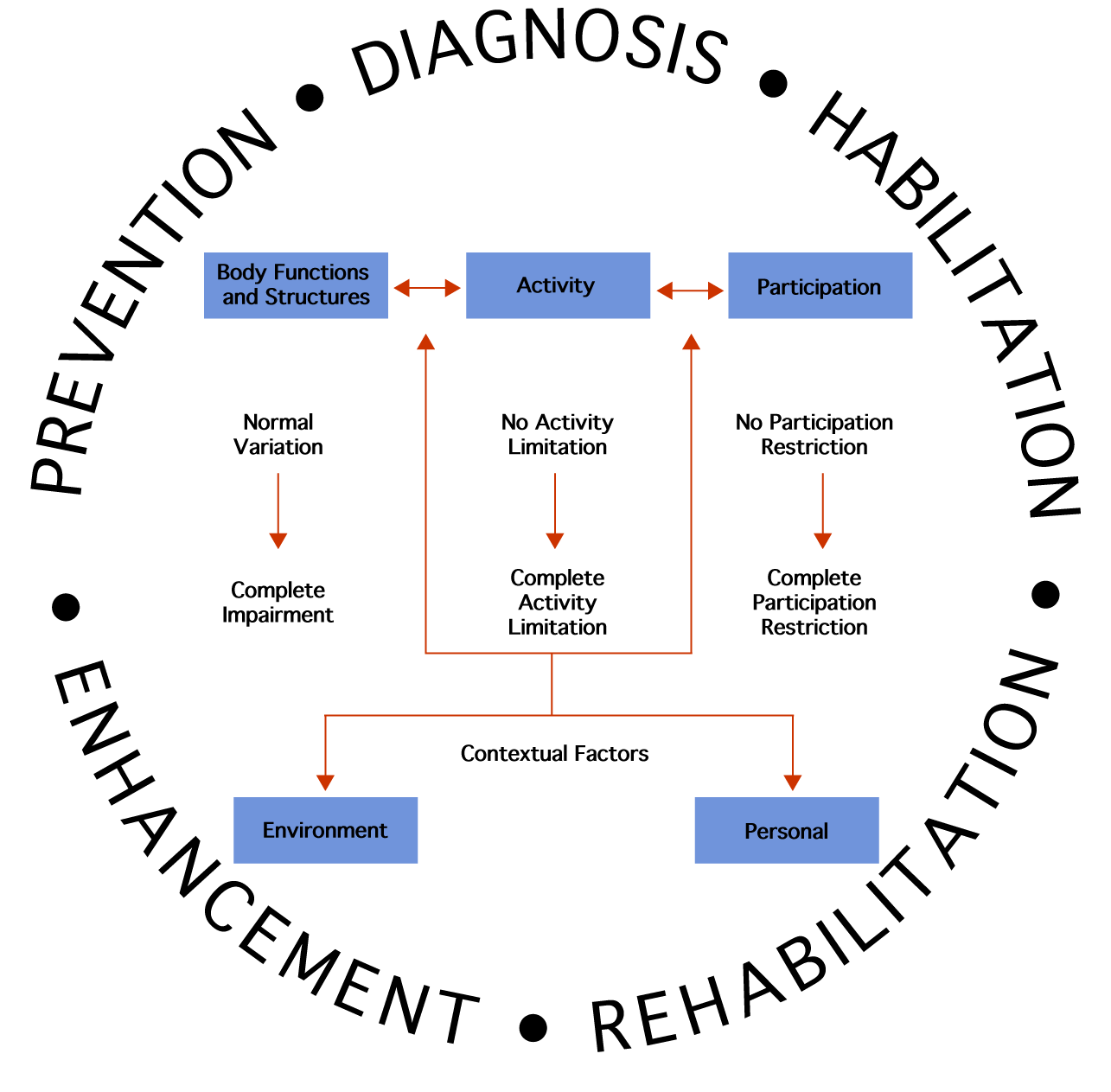
Figure 2. Interaction of the diverse components of the ICF model. This model applies to individuals or groups.
Domains of Voice communication-Language Pathology Service Commitment
The eight domains of speech-language pathology service delivery are collaboration; counseling; prevention and wellness; screening; assessment; treatment; modalities, engineering, and instrumentation; and population and systems.
Collaboration
SLPs share responsibility with other professionals for creating a collaborative culture. Collaboration requires joint advice and shared decision making amidst all members of the team, including the individual and family, to accomplish improved service delivery and functional outcomes for the individuals served. When discussing specific roles of team members, professionals are ethically and legally obligated to make up one's mind whether they accept the knowledge and skills necessary to perform such services. Collaboration occurs across all voice communication-linguistic communication pathology practice domains.
As our global guild is condign more than continued, integrated, and interdependent, SLPs have admission to a variety of resource, data engineering science, diverse perspectives and influences (see, e.chiliad., Lipinsky, Lombardo, Dominy, & Feeney, 1997). Increased national and international interchange of professional person knowledge, information, and teaching in communication sciences and disorders is a means to strengthen research collaboration and amend services. SLPs
- educate stakeholders regarding interprofessional pedagogy (IPE) and interprofessional exercise (IPP) (ASHA, 2014) principles and competencies;
- partner with other professions/organizations to enhance the value of speech-linguistic communication pathology services;
- share responsibilities to achieve functional outcomes;
- consult with other professionals to meet the needs of individuals with communication and swallowing disorders;
- serve as case managers, service delivery coordinators, members of collaborative and patient care briefing teams; and
- serve on early intervention and school pre-referral and intervention teams to assist with the development and implementation of individualized family service plans (IFSPs) and individualized teaching programs (IEPs).
Counseling
SLPs counsel past providing education, guidance, and support. Individuals, their families and their caregivers are counseled regarding acceptance, adaptation, and decision making about communication, feeding and swallowing, and related disorders. The role of the SLP in the counseling process includes interactions related to emotional reactions, thoughts, feelings, and behaviors that result from living with the advice disorder, feeding and swallowing disorder, or related disorders.
SLPs engage in the post-obit activities in counseling persons with communication and feeding and swallowing disorders and their families:
- empower the private and family to make informed decisions related to communication or feeding and swallowing bug.
- brainwash the individual, family, and related customs members about communication or feeding and swallowing disorders.
- provide back up and/or peer-to-peer groups for individuals with disorders and their families.
- provide individuals and families with skills that enable them to become self-advocates.
- discuss, evaluate, and address negative emotions and thoughts related to communication or feeding and swallowing disorders.
- refer individuals with disorders to other professionals when counseling needs autumn outside of those related to (a) communication and (b) feeding and swallowing.
Prevention and Wellness
SLPs are involved in prevention and wellness activities that are geared toward reducing the incidence of a new disorder or disease, identifying disorders at an early stage, and decreasing the severity or impact of a disability associated with an existing disorder or disease. Interest is directed toward individuals who are vulnerable or at chance for limited participation in advice, hearing, feeding and swallowing, and related abilities. Activities are directed toward enhancing or improving general well-beingness and quality of life. Teaching efforts focus on identifying and increasing awareness of risk behaviors that lead to advice disorders and feeding and swallowing problems. SLPs promote programs to increment public awareness, which are aimed at positively changing behaviors or attitudes.
Effective prevention programs are oftentimes community based and enable the SLP to help reduce the incidence of spoken and written advice and swallowing disorders as a public wellness and public education business concern.
Examples of prevention and health programs include, but are not limited to, the following:
- Linguistic communication harm: Educate parents, teachers and other school-based professionals most the clinical markers of language impairment and the means in which these impairments can bear upon a student's reading and writing skills to facilitate early referral for evaluation and assessment services.
- Language-based literacy disorders: Educate parents, schoolhouse personnel, and health care providers nigh the SLP's office in addressing the semantic, syntactic, morphological, and phonological aspects of literacy disorders across the lifespan.
- Feeding: Educate parents of infants at gamble for feeding issues about techniques to minimize long-term feeding challenges.
- Stroke prevention: Educate individuals about risk factors associated with stroke
- Serve on teams: Participate on multitiered systems of support (MTSS)/response to intervention (RTI) teams to aid students successfully communicate within academic, classroom, and social settings.
- Fluency: Brainwash parents near hazard factors associated with early stuttering.
- Early childhood: Encourage parents to participate in early on screening and to collaborate with physicians, educators, kid care providers, and others to recognize alarm signs of developmental disorders during routine health checks and to promote healthy communication development practices.
- Prenatal intendance: Educate parents to decrease the incidence of spoken communication, hearing, feeding and swallowing, and related disorders due to problems during pregnancy.
- Genetic counseling: Refer individuals to advisable professionals and professional services if there is a concern or demand for genetic counseling.
- Ecology modify: Modify environments to decrease the risk of occurrence (e.1000., decrease noise exposure).
- Song hygiene: Target prevention of voice disorders (e.one thousand., encourage activities that minimize phonotrauma and the evolution of benign vocal fold pathology and that curb the apply of smoking and smokeless tobacco products).
- Hearing: Brainwash individuals most run a risk factors associated with dissonance-induced hearing loss and preventive measures that may assist to decrease the risk.
- Concussion /traumatic brain injury awareness: Brainwash parents of children involved in contact sports about the gamble of concussion.
- Accent/dialect modification: Address audio pronunciation, stress, rhythm, and intonation of speech to enhance constructive communication.
- Transgender (TG) and transsexual (TS) voice and communication: Educate and treat individuals about appropriate exact, nonverbal, and vox characteristics (feminization or masculinization) that are congruent with their targeted gender identity.
- Business concern communication: Educate individuals most the importance of effective business communication, including oral, written, and interpersonal advice.
- Swallowing: Educate individuals who are at risk for aspiration about oral hygiene techniques.
Screening
SLPs are experts at screening individuals for possible communication, hearing, and/or feeding and swallowing disorders. SLPs have the knowledge of-and skills to treat-these disorders; they can blueprint and implement effective screening programs and brand appropriate referrals. These screenings facilitate referral for appropriate follow-up in a timely and cost-constructive manner. SLPs
- select and apply advisable screening instrumentation;
- develop screening procedures and tools based on existing prove;
- coordinate and acquit screening programs in a wide variety of educational, community, and wellness care settings;
- participate in public school MTSS/RTI team meetings to review data and recommend interventions to satisfy federal and state requirements (e.g., Individuals with Disabilities Education Comeback Act of 2004 [IDEIA] and Department 504 of the Rehabilitation Act of 1973);
- review and analyze records (eastward.g., educational, medical);
- review, analyze, and make appropriate referrals based on results of screenings;
- consult with others near the results of screenings conducted by other professionals; and
- utilize information to inform decisions nearly the wellness of populations.
Cess
Speech-language pathologists accept expertise in the differential diagnosis of disorders of communication and swallowing. Communication, speech communication, language, and swallowing disorders tin occur developmentally, equally part of a medical condition, or in isolation, without an credible underlying medical condition. Competent SLPs can diagnose communication and swallowing disorders only do non differentially diagnose medical weather. The assessment process utilizes the ICF framework, which includes evaluation of torso office, structure, activity and participation, within the context of environmental and personal factors. The assessment procedure tin can include, but is not limited to, culturally and linguistically appropriate behavioral ascertainment and standardized and/or criterion-referenced tools; use of instrumentation; review of records, case history, and prior test results; and interview of the individual and/or family to guide decision making. The assessment procedure tin can be carried out in collaboration with other professionals. SLPs
- administer standardized and/or criterion-referenced tools to compare individuals with their peers;
- review medical records to determine relevant health, medical, and pharmacological information;
- interview individuals and/or family to obtain case history to determine specific concerns;
- utilize culturally and linguistically appropriate assessment protocols;
- appoint in behavioral ascertainment to make up one's mind the private'southward skills in a naturalistic setting/context;
- diagnose communication and swallowing disorders;
- use endoscopy, videofluoroscopy, and other instrumentation to appraise aspects of voice, resonance, velopharyngeal function and swallowing;
- certificate assessment and trial results for selecting AAC interventions and technology, including speech-generating devices (SGDs);
- participate in meetings adhering to required federal and land laws and regulations (east.g., IDEIA [2004] and Section 504 of the Rehabilitation Human activity of 1973).
- document assessment results, including discharge planning;
- formulate impressions to develop a plan of treatment and recommendations; and
- discuss eligibility and criteria for dismissal from early on intervention and school-based services.
Handling
Speech-linguistic communication services are designed to optimize individuals' ability to communicate and consume, thereby improving quality of life. SLPs develop and implement handling to address the presenting symptoms or concerns of a advice or swallowing problem or related functional issue. Treatment establishes a new skill or power or remediates or restores an impaired skill or power. The ultimate goal of therapy is to improve an individual'south functional outcomes. To this end, SLPs
- design, implement, and certificate delivery of service in accordance with all-time available do appropriate to the practice setting;
- provide culturally and linguistically appropriate services;
- integrate the highest quality bachelor research bear witness with practitioner expertise and individual preferences and values in establishing treatment goals;
- utilize handling data to guide decisions and make up one's mind effectiveness of services;
- integrate bookish materials and goals into treatment;
- evangelize the appropriate frequency and intensity of treatment utilizing all-time available practice;
- engage in handling activities that are within the telescopic of the professional'due south competence;
- utilize AAC performance data to guide clinical decisions and make up one's mind the effectiveness of treatment; and
- collaborate with other professionals in the delivery of services.
Modalities, Applied science, and Instrumentation
SLPs use avant-garde instrumentation and technologies in the evaluation, direction, and care of individuals with communication, feeding and swallowing, and related disorders. SLPs are too involved in the research and development of emerging technologies and apply their noesis in the use of advanced instrumentation and technologies to enhance the quality of the services provided. Some examples of services that SLPs offer in this domain include, merely are not limited to, the employ of
- the total range of AAC technologies to assist individuals who accept impaired ability to communicate verbally on a consistent basis-AAC devices brand it possible for many individuals to successfully communicate within their environment and community;
- endoscopy, videofluoroscopy, fiber-optic evaluation of swallowing (voice, velopharyngeal function, swallowing) and other instrumentation to appraise aspects of voice, resonance, and swallowing;
- telehealth/telepractice to provide individuals with access to services or to provide access to a specialist;
- ultrasound and other biofeedback systems for individuals with speech communication sound product, vocalization, or swallowing disorders; and
- other modalities (eastward.g., American Sign Language), where appropriate.
Population and Systems
In addition to direct care responsibilities, SLPs accept a part in (a) managing populations to meliorate overall health and education, (b) improving the experience of the individuals served, and, in some circumstances, (c) reducing the cost of intendance. SLPs also accept a function in improving the efficiency and effectiveness of service delivery. SLPs serve in roles designed to meet the demands and expectations of a changing piece of work environment. SLPs
- use obviously language to facilitate clear communication for improved wellness and educationally relevant outcomes;
- collaborate with other professionals near improving communication with individuals who have communication challenges;
- better the feel of care by analyzing and improving communication environments;
- reduce the cost of intendance by designing and implementing case management strategies that focus on function and by helping individuals achieve their goals through a combination of direct intervention, supervision of and collaboration with other service providers, and engagement of the individual and family unit in self-management strategies;
- serve in roles designed to encounter the demands and expectations of a changing work environment;
- contribute to the management of specific populations past enhancing communication between professionals and individuals served;
- omnibus families and early on intervention providers almost strategies and supports for facilitating prelinguistic and linguistic communication skills of infants and toddlers; and
- support and collaborate with classroom teachers to implement strategies for supporting student access to the curriculum.
Oral communication-Linguistic communication Pathology Service Delivery Areas
This list of exercise areas and the bulleted examples are non comprehensive. Current areas of do, such equally literacy, have continued to evolve, whereas other new areas of practice are emerging. Please refer to the ASHA Do Portal for a more all-encompassing listing of exercise areas.
Fluency
- Stuttering
- Cluttering
Speech Production
- Motor planning and execution
- Articulation
- Phonological
Language- Spoken and written linguistic communication (listening, processing, speaking, reading, writing, pragmatics)
- Phonology
- Morphology
- Syntax
- Semantics
- Pragmatics (linguistic communication use and social aspects of communication)
- Prelinguistic communication (e.thousand., joint attention, intentionality, chatty signaling)
- Paralinguistic communication (e.k., gestures, signs, torso language)
- Literacy (reading, writing, spelling)
Knowledge
- Attention
- Memory
- Problem solving
- Executive functioning
Phonation
- Vocalisation quality
- Pitch
- Loudness
- Alaryngeal voice
Resonance
- Hypernasality
- Hyponasality
- Cul-de-sac resonance
- Forward focus
Feeding and Swallowing
- Oral phase
- Pharyngeal stage
- Esophageal phase
- Atypical eating (e.m., nutrient selectivity/refusal, negative physiologic response)
Auditory Habilitation/Rehabilitation
- Speech, language, communication, and listening skills impacted past hearing loss, deafness
- Auditory processing
Potential etiologies of communication and swallowing disorders include
- neonatal problems (e.g., prematurity, low birth weight, substance exposure);
- developmental disabilities (e.g., specific language damage, autism spectrum disorder, dyslexia, learning disabilities, attending-deficit disorder, intellectual disabilities, unspecified neurodevelopmental disorders);
- disorders of aerodigestive tract function (eastward.g., irritable larynx, chronic coughing, abnormal respiratory patterns or airway protection, paradoxical song fold motion, tracheostomy);
- oral anomalies (e.g., cleft lip/palate, dental malocclusion, macroglossia, oral motor dysfunction);
- respiratory patterns and compromise (e.yard., bronchopulmonary dysplasia, chronic obstructive pulmonary disease);
- pharyngeal anomalies (e.thousand., upper airway obstruction, velopharyngeal insufficiency/incompetence);
- laryngeal anomalies (e.g., song fold pathology, tracheal stenosis);
- neurological disease/dysfunction (e.1000., traumatic brain injury, cerebral palsy, cerebrovascular accident, dementia, Parkinson's disease, and amyotrophic lateral sclerosis);
- psychiatric disorder (eastward.g., psychosis, schizophrenia);
- genetic disorders (east.g., Down's syndrome, fragile X syndrome, Rett syndrome, velocardiofacial syndrome); and
- Orofacial myofunctional disorders (due east.g., habitual open-oral fissure posture/nasal breathing, orofacial habits, tethered oral tissues, chewing and chewing muscles, lips and natural language resting position).
This list of etiologies is non comprehensive.
Constituent services include
- Transgender advice (e.thousand., voice, verbal and nonverbal communication);
- Preventive vocal hygiene;
- Business communication;
- Accent/dialect modification; and
- Professional voice use.
This listing of elective services is not comprehensive.
Domains of Professional Do
This section delineates the domains of professional do-that is, a set of skills and cognition that goes across clinical practice. The domains of professional exercise include advocacy and outreach, supervision, education, research, and assistants and leadership.
Advocacy and Outreach
SLPs advocate for the discipline and for individuals through a variety of mechanisms, including customs awareness, prevention activities, health literacy, bookish literacy, education, political action, and training programs. Advocacy promotes and facilitates access to communication, including the reduction of societal, cultural, and linguistic barriers. SLPs perform a multifariousness of activities, including the following:
- Propose regulatory and legislative agencies about the continuum of care. Examples of service delivery options across the continuum of care include telehealth/telepractice, the use of technology, the employ of back up personnel, and practicing at the height of the license.
- Appoint decision makers at the local, state, and national levels for improved authoritative and governmental policies affecting access to services and funding for communication and swallowing issues.
- Advocate at the local, state, and national levels for funding for services, education, and research.
- Participate in associations and organizations to advance the speech-linguistic communication pathology profession.
- Promote and market professional person services.
- Assistance to recruit and retain SLPs with diverse backgrounds and interests.
- Collaborate on advocacy objectives with other professionals/colleagues regarding mutual goals.
- Serve as expert witnesses, when appropriate.
- Brainwash consumers about communication disorders and speech-linguistic communication pathology services.
- Advocate for fair and equitable services for all individuals, especially the most vulnerable.
- Inform land education agencies and local school districts about the various roles and responsibilities of school-based SLPs, including direct service, IEP development, Medicaid billing, planning and delivery of cess and therapy, consultation with other squad members, and attendance at required meetings.
Supervision
Supervision is a distinct area of practise; is the responsibility of SLPs; and crosses clinical, administrative, and technical spheres. SLPs are responsible for supervising Clinical Fellows, graduate externs, trainees, speech-language pathology assistants, and other personnel (e.g., clerical, technical, and other administrative back up staff). SLPs may also supervise colleagues and peers. SLPs acknowledge that supervision is integral in the delivery of communication and swallowing services and advances the bailiwick. Supervision involves education, mentorship, encouragement, counseling, and support across all supervisory roles. SLPs
- possess service commitment and professional person practise skills necessary to guide the supervisee;
- apply the art and science of supervision to all stakeholders (i.e., those supervising and being supervised), recognizing that supervision contributes to efficiency in the workplace;
- seek avant-garde knowledge in the practice of effective supervision;
- constitute supervisory relationships that are collegial in nature;
- back up supervisees equally they acquire to handle emotional reactions that may affect the therapeutic process; and
- establish a supervisory relationship that promotes growth and independence while providing back up and guidance.
Didactics
SLPs serve equally educators, teaching students in academic institutions and pedagogy professionals through continuing education in professional development formats. This more formal teaching is in improver to the teaching that SLPs provide to individuals, families, caregivers, determination makers, and policy makers, which is described in other domains. SLPs
- serve as kinesthesia at institutions of higher education, teaching courses at the undergraduate, graduate, and postgraduate levels;
- mentor students who are completing bookish programs at all levels;
- provide bookish training to students in related disciplines and students who are training to become speech-language pathology assistants; and
- provide continuing professional education to SLPs and to professionals in related disciplines.
Research
SLPs behave and participate in basic and applied/translational research related to cognition, verbal and nonverbal communication, pragmatics, literacy (reading, writing and spelling), and feeding and swallowing. This research may be undertaken as a facility-specific effort or may exist coordinated across multiple settings. SLPs engage in activities to ensure compliance with Institutional Review Boards and international laws pertaining to research. SLPs likewise interact with other researchers and may pursue research funding through grants.
Administration and Leadership
SLPs administer programs in teaching, higher education, schools, wellness care, individual do, and other settings. In this capacity, they are responsible for making administrative decisions related to fiscal and personnel management; leadership; program design; program growth and innovation; professional evolution; compliance with laws and regulations; and cooperation with outside agencies in didactics and healthcare. Their authoritative roles are non limited to voice communication-language pathology, as they may administrate programs across departments and at dissimilar levels within an institution. In addition, SLPs promote effective and manageable workloads in school settings, provide advisable services under IDEIA (2004), and engage in programme design and development.
References
American Psychiatric Association. (2013). Diagnostic and statistical transmission of mental disorders (5th ed.). Washington, DC: Author.
American Oral communication-Language-Hearing Association. (2005). Prove-based exercise in communication disorders [Position argument]. Available from www.asha.org/policy/.
American Speech-Linguistic communication-Hearing Association. (2014). Interprofessional educational activity/interprofessional practise (IPE/IPP). Bachelor from www.asha.org/practice/ipe-ipp/
Bridges, D. R., Davidson, R. A., Odegard, P. South., Maki, I. V., & Tomkowiak, J. (2011). Interprofessional collaboration: 3 best exercise models of interprofessional education. Medical Instruction Online, 16. doi:10.3402/meo.v16i0.6035. Retrieved from www.ncbi.nlm.nih.gov/pmc/articles/PMC3081249/
Craddock, D., O'Halloran, C., Borthwick, A., & McPherson, K. (2006). Interprofessional education in health and social intendance: Fashion or informed practice? Learning in Health and Social Care, five, 220-242. Retrieved from http://onlinelibrary.wiley.com/doi/10.1111/j.1473-6861.2006.00135.10/abstract
Individuals With Disabilities Education Human action of 2004, 20 U.s.C. § 1400 et seq. (2004).
Individuals with Disabilities Pedagogy Comeback Human activity of 2004, 20 United statesC. § 1400 et seq. (2004).
Lipinski, C. A., Lombardo, F., Dominy, B. Westward., & Feeney, P. J. (1997, March 1). Experimental and computational approaches to guess solubility and permeability in drug discovery and evolution settings. Avant-garde Drug Delivery Reviews, 46(1-3), 3-26. Retrieved from http://world wide web.ncbi.nlm.nih.gov/pubmed/11259830
Rehabilitation Human action of 1973, 29 U.Southward.C. § 701 et seq.
U.South. Department of Education. (2004). Building the legacy: Thought 2004. Retrieved from http://idea.ed.gov/
World Health Organization. (2014). International Classification of Functioning, Disability and Health. Geneva, Switzerland: Author. Retrieved from www.who.int/classifications/icf/en/
Resources
American Speech-Language-Hearing Clan. (n.d.). Introduction to evidence-based practice. Retrieved from www.asha.org/Inquiry/EBP/Evidence-Based-Practice/
American Oral communication-Language-Hearing Clan. (n.d.). Practice Portal. Available from /exercise-portal/
American Speech communication-Language-Hearing Association. (1991).A model for collaborative service delivery for students with linguistic communication-learning disorders in the public schools [Paper]. Available from www.asha.org/policy/
American Oral communication-Language-Hearing Association. (2003). Evaluating and treating communication and cerebral disorders: Approaches to referral and collaboration for speech-language pathology and clinical neuropsychology [Technical report]. Bachelor from www.asha.org/policy/
Paul, D. (2013, August). A quick guide to DSM-V. The ASHA Leader, eighteen, 52-54. Retrieved from http://leader.pubs.asha.org/article.aspx?articleid=1785031
U.S. Department of Justice. (2009). A guide to disability rights laws. Retrieved from www.ada.gov/cguide.htm
Index terms: telescopic of practice
Reference this material equally: American Speech-Linguistic communication-Hearing Association. (2016). Scope of practise in speech-language pathology [Scope of Practice]. Bachelor from www.asha.org/policy/.
© Copyright 2016 American Voice communication-Language-Hearing Association. All rights reserved.
Disclaimer: The American Speech-Language-Hearing Clan disclaims any liability to any party for the accuracy, completeness, or availability of these documents, or for any damages arising out of the use of the documents and whatsoever data they incorporate.
doi:10.1044/policy.SP2016-00343
Source: https://www.asha.org/policy/sp2016-00343/
0 Response to "Challenges Family Centered Practice Pose on Slp in Different Settings"
Postar um comentário